For Health Systems Trust (HST), a South African NGO dedicated to strengthening health systems and tackling complex public health challenges, leadership continuity isn’t just a line item on a strategic plan; it’s a lifeline. In sectors like healthcare, where consistency and trust are critical, the impact of losing a key leader can ripple out far beyond the HR department.
With an ageing workforce, rising turnover, and a shortage of specialised skills in rural areas, HST found itself at a critical crossroads. As Liabo Molapo, HST’s Chief Human Resources Officer, put it, “We realised that skill shortages and an ageing workforce were significant risks. Succession planning became essential to ensure knowledge transfer and build a pipeline of qualified leaders ready to step into key roles.”
The Problem with Gut-Feel Decisions
Like many organisations, HST’s approach to succession planning used to rely heavily on intuition, a common but risky strategy. It’s a bit like trying to navigate a dense forest without a map – you might stumble upon a clearing, but you’re just as likely to end up lost.
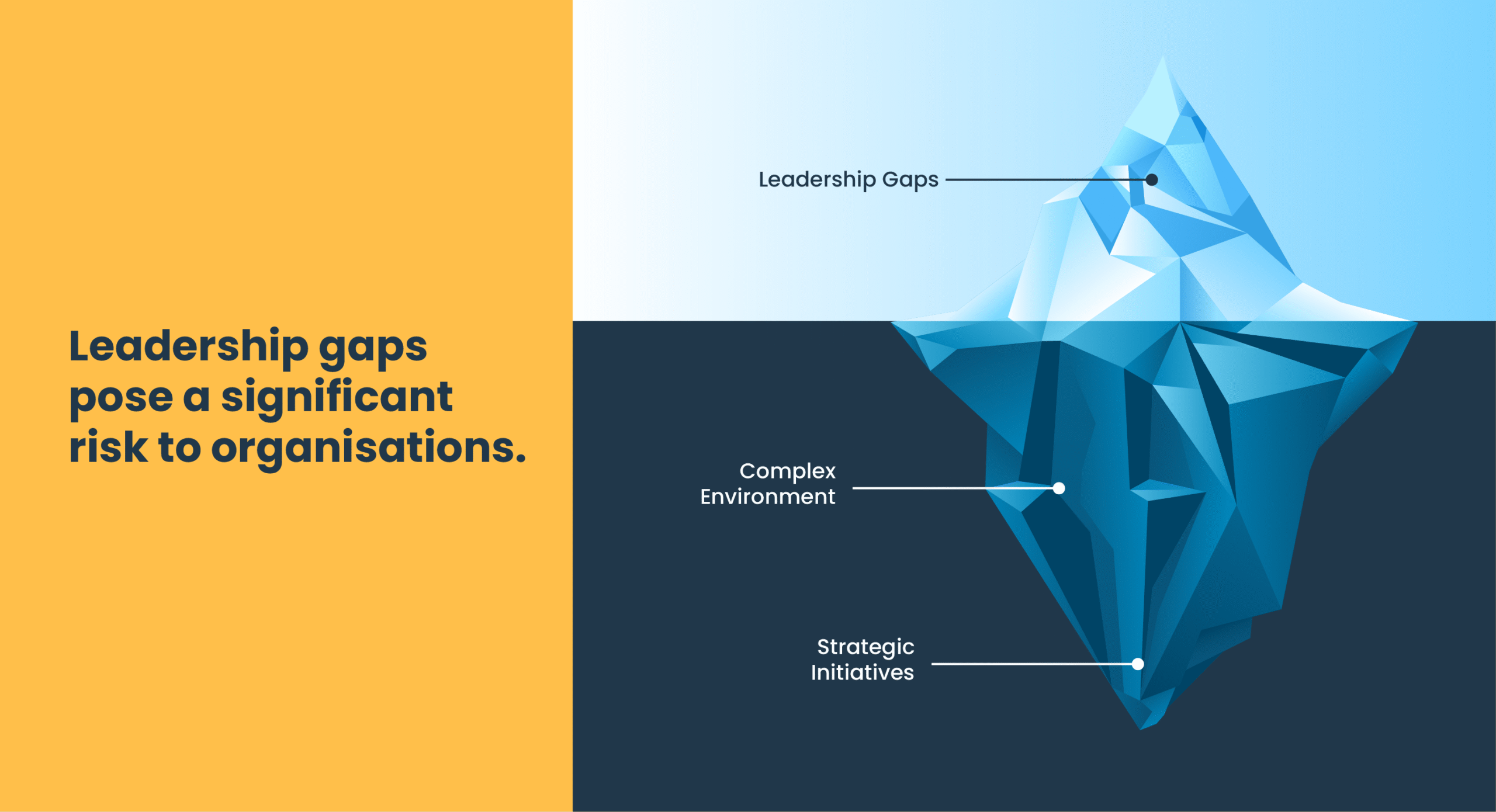
This is a familiar problem. According to Deloitte, 86% of business leaders believe leadership gaps are a significant risk to their organisations, yet only 13% feel confident their pipeline is strong enough to fill those gaps. That’s a dangerous mismatch, particularly in a sector where experience and institutional knowledge can mean the difference between a successful programme and a missed opportunity.
The reality is more nuanced. A talented project manager might be brilliant at managing deadlines and budgets but struggle when it comes to rallying a team around a shared goal or resolving conflicts under pressure.
Similarly, a skilled clinician might excel at patient care but lack the broader strategic thinking needed to lead a department.
Turning Data into Direction
HST’s turning point came when they partnered with Lumenii to bring data-driven clarity to their talent strategy. Using a combination of psychometric assessments, 360-degree feedback, and objective measures of potential, they created a more accurate picture of their workforce.
This wasn’t just about identifying who could fill a vacant role. It was about understanding who had the potential to lead, who needed support to get there, and who might thrive in a different capacity.
For example, a technical specialist who had always been seen as a steady, reliable performer turned out to have a hidden knack for strategic thinking and team leadership. Meanwhile, a long-serving manager, known for their technical skills, struggled with empathy and team dynamics, traits that were harder to identify without structured feedback.
The Real Impact of Data
- Cultural Shift: Employees now have a clearer sense of their own potential and career path.
- Leadership Continuity: HST can now identify high-potential candidates earlier, giving them the support and training needed to step into critical roles when the time comes. This has been especially crucial as senior leaders retire or take on new challenges.
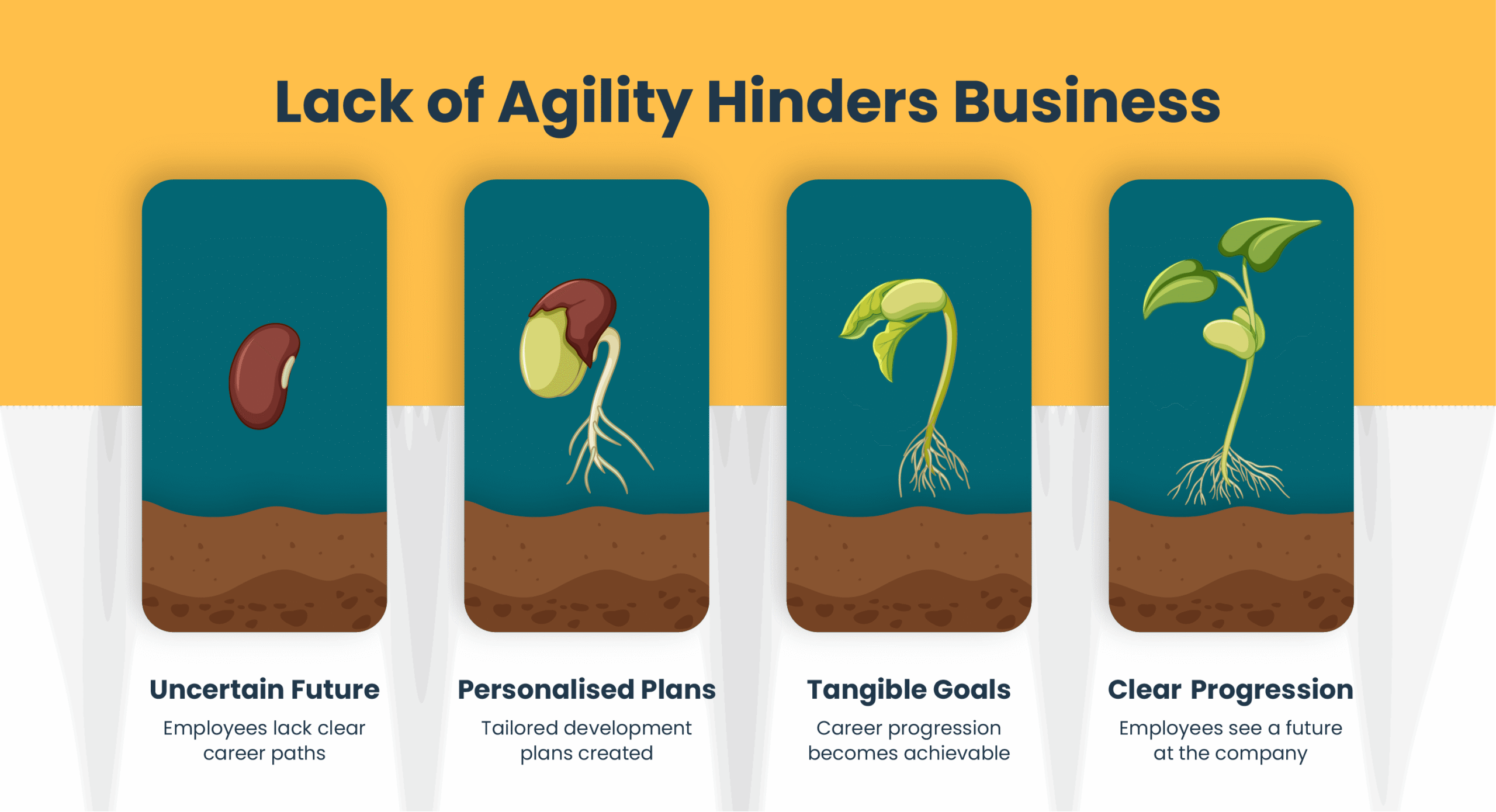
- Visible Growth Pathways: Rather than simply hoping for the best, employees now have clear, personalised development plans, making career progression feel less like a distant dream and more like a tangible goal. This matters, as research by LinkedIn shows that 94% of employees would stay longer at a company if it invested in their career development.
- Greater Resilience: By proactively addressing skills gaps, HST is better prepared to meet both short-term programme needs and long-term leadership demands, reducing the risk of service disruptions.
Making the Intangible Tangible
At the heart of HST’s journey is a simple but powerful idea: that real succession planning is about more than just managing risk. It’s about creating opportunity. It’s about helping people see their potential and giving them a path to realise it.
For HST, this approach has transformed succession planning from a reactive process into a strategic advantage. By focusing on data-driven decision-making, they’ve not only strengthened their leadership pipeline but also created a culture of transparency, fairness, and growth.
What’s Next?
As HST continues to adapt and grow, its focus on data-driven succession planning will remain a cornerstone of its mission. By investing in their people and building a more resilient leadership pipeline, they’re not just preparing for the future; they’re shaping it.
Build Your Own Leadership Pipeline.
If your organisation is ready to move beyond gut-feel decisions and build a truly resilient leadership bench, Lumenii can help. Let’s explore how you can identify, develop, and retain the right talent for long-term success.