

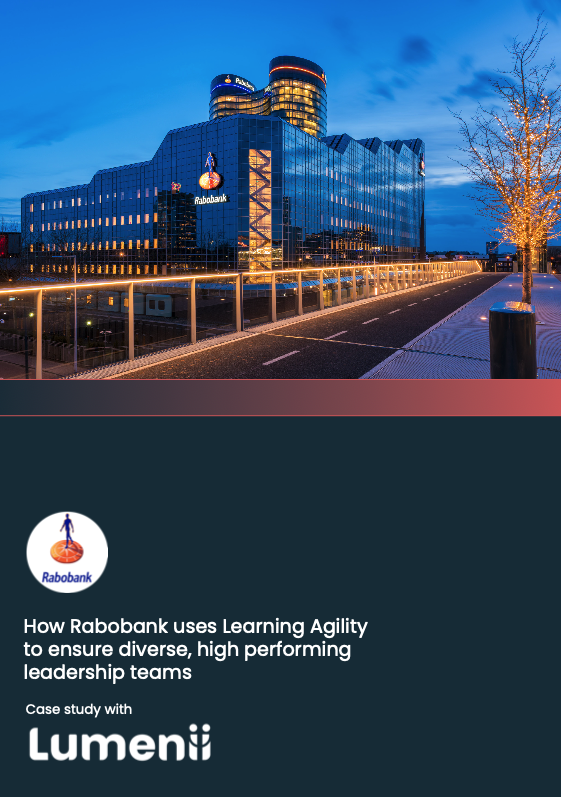
For Rabobank, the future depended on more than financial performance. As the Netherlands’ second-largest bank, they faced the challenge of evolving from a traditional “doing” bank into a future-focused, technology-driven organisation. To succeed, they needed leaders who could think differently, adapt quickly, and reflect the diversity of the world they served.
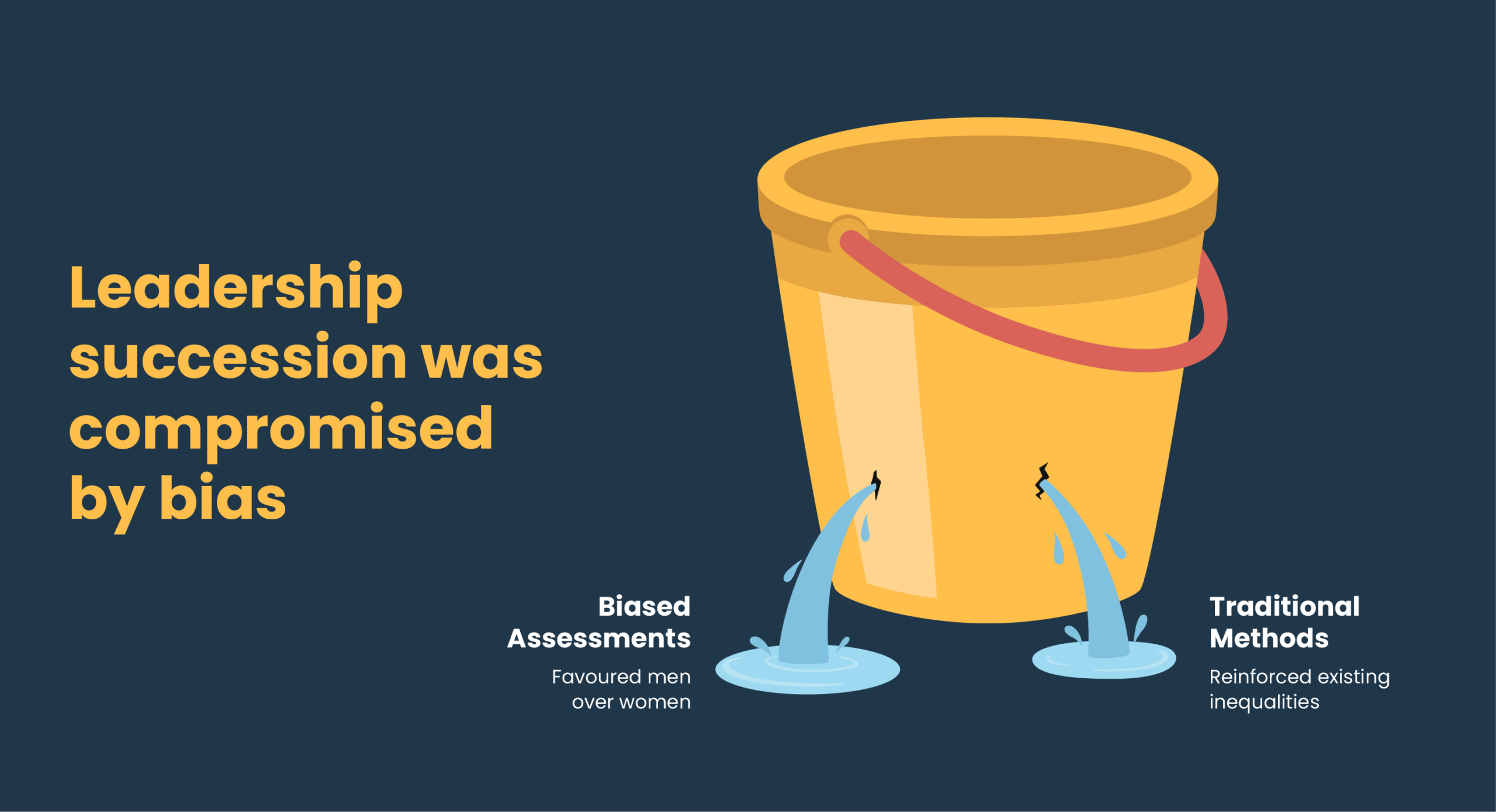
But there was a problem: leadership succession was being compromised by bias. Traditional assessment centres often favoured men over women, and majorities over minorities. This led to a homogenous leadership team that lacked the perspectives needed to navigate an increasingly complex future.
The Challenge: When Bias Shapes Leadership
Like many organisations, Rabobank discovered that even well-intentioned processes could be biased. Promotions into leadership roles were often based on full-day assessment centres, which were expensive, time consuming and let to the bank selecting “more of the same”. While this created familiarity at the top, it also limited innovation and slowed progress toward the bank’s ambitious transformation goals.
In fast-changing industries, sameness can be risky. Without diverse voices at the table, blind spots grow, and strategies falter.
The Turning Point: Agility as the Great Equaliser
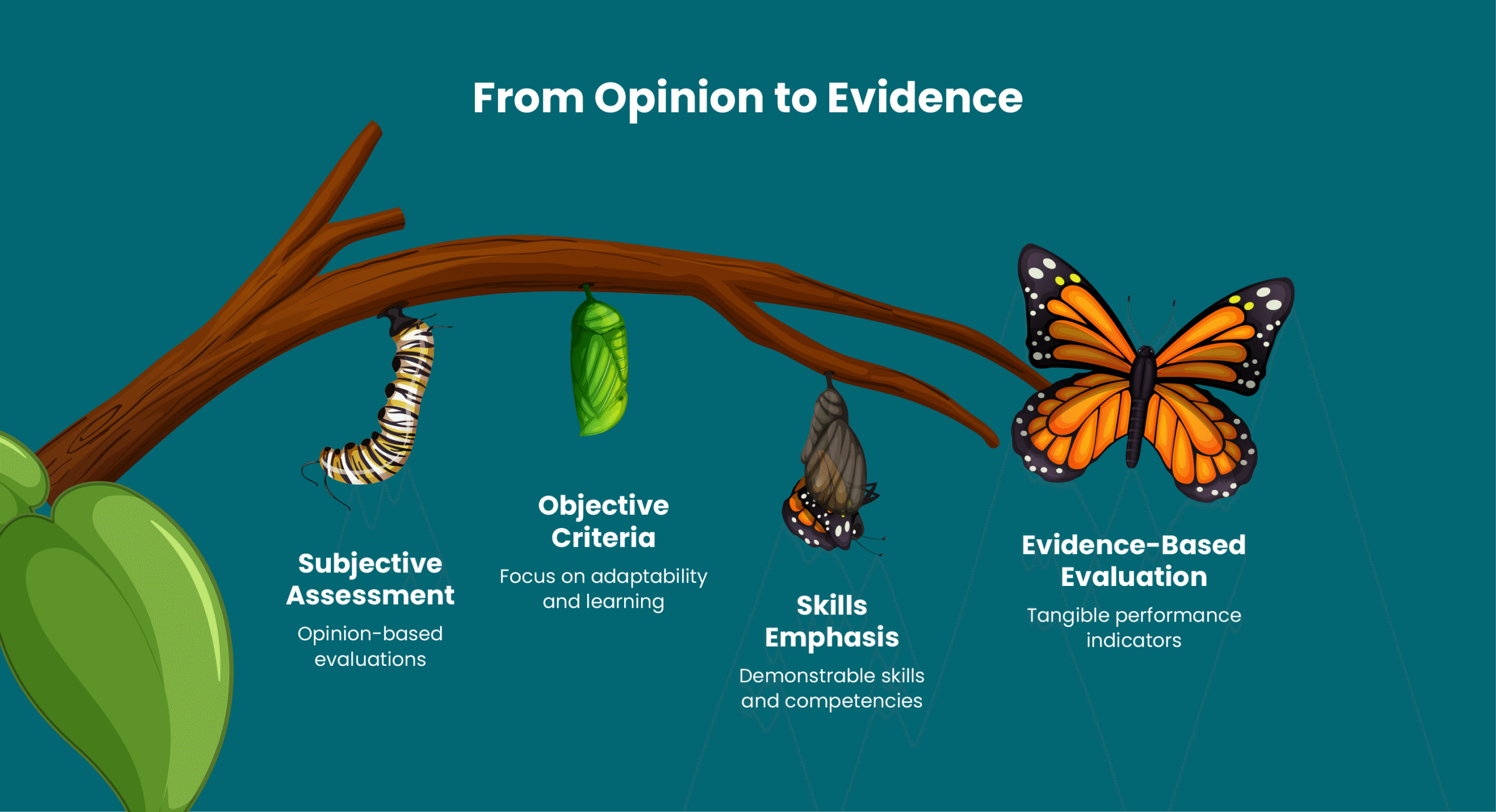
Rabobank introduced Learning Agility as the core measure for leadership selection and promotion.
- Agility offered objectivity: a bias-free way to assess leadership potential.
- Focus shifted from opinion to evidence: candidates were measured on their ability to adapt, learn, and embrace change.
- Agility scaled across the business: already used in recruitment and development, it was now extended to top management.
By replacing subjective impressions with objective data, Rabobank opened the door to a broader, more diverse pool of leaders.
The Impact: Diversity That Drives Strategy
The results have been incredible.
- Fairer promotions: Leadership roles are awarded based on agility as an objective criterion, not opinion.
- Greater diversity: More women now hold top leadership roles than men.
- High-performing teams: Leaders demonstrate both strong potential and proven performance.
- Faster, leaner processes: Agility assessments reduced both the time and costs of leadership selection compared to traditional assessment centres.
- Stronger cohesion: Collaboration improved, replacing competition with collective progress.
From Bias to Resilience
For Rabobank, diversity isn’t a tick-box exercise. It’s a strategy for resilience and long-term success. By making agility the cornerstone of their leadership pipeline, they’ve built a management team ready to embrace the future, and to thrive in it.
What’s Next?
As Rabobank continues its movement into the future, diversity and agility will remain central to its leadership approach. By focusing on adaptability rather than background, they’ve built not just a stronger bank, but a more future-ready one.
Want to reduce bias and build a diverse, future-ready leadership team? Contact Lumenii to discover how Learning Agility can help shape your leadership pipeline.